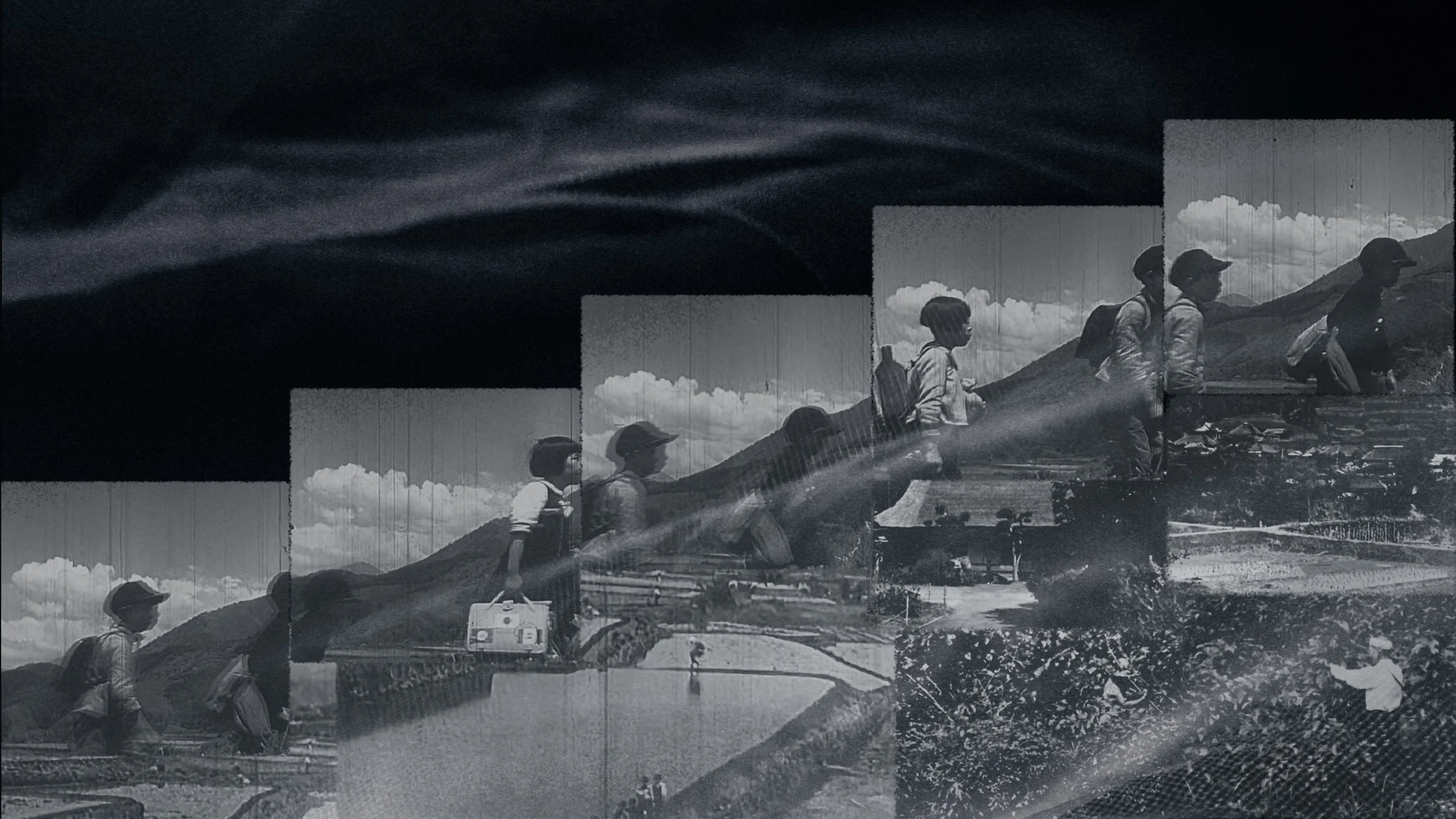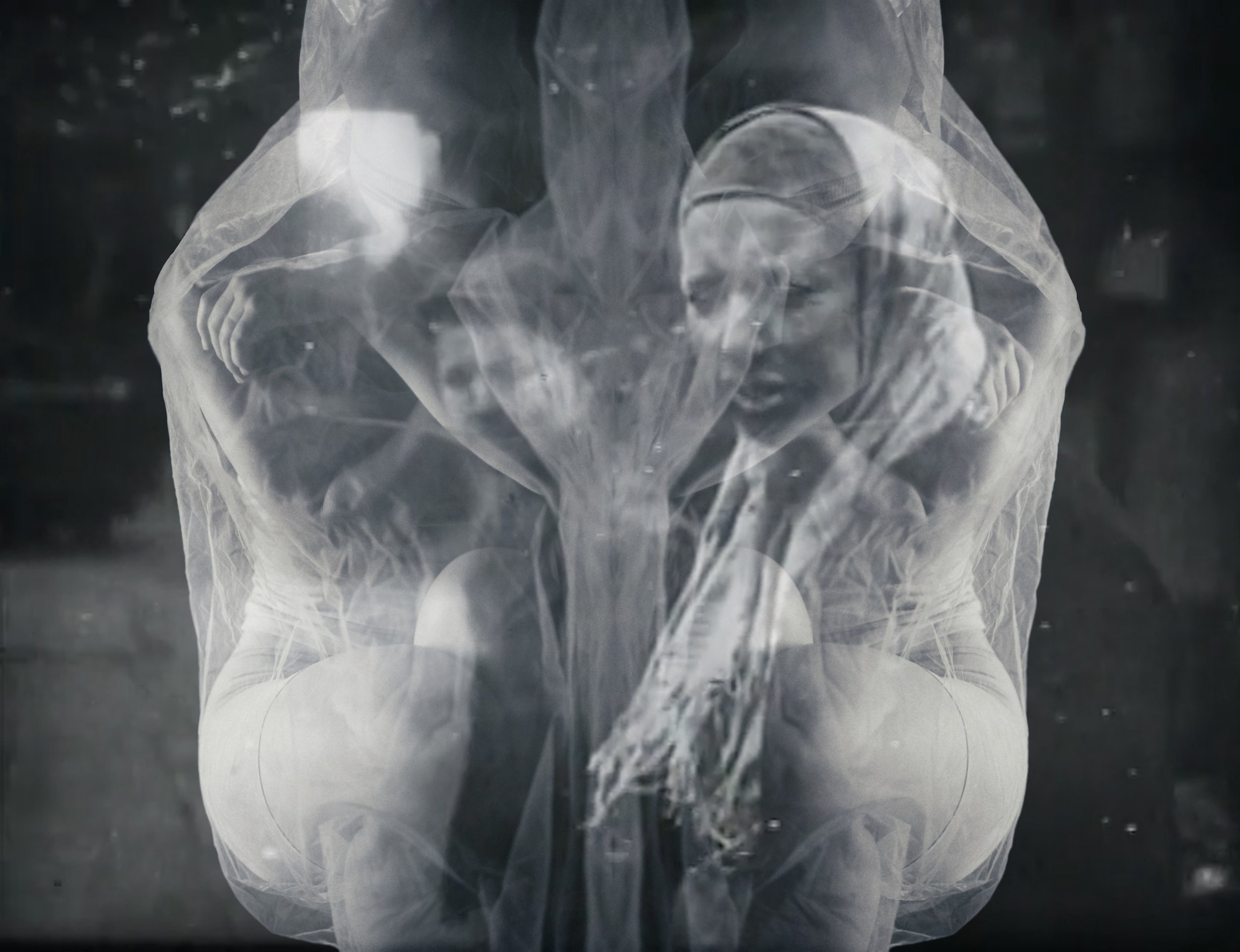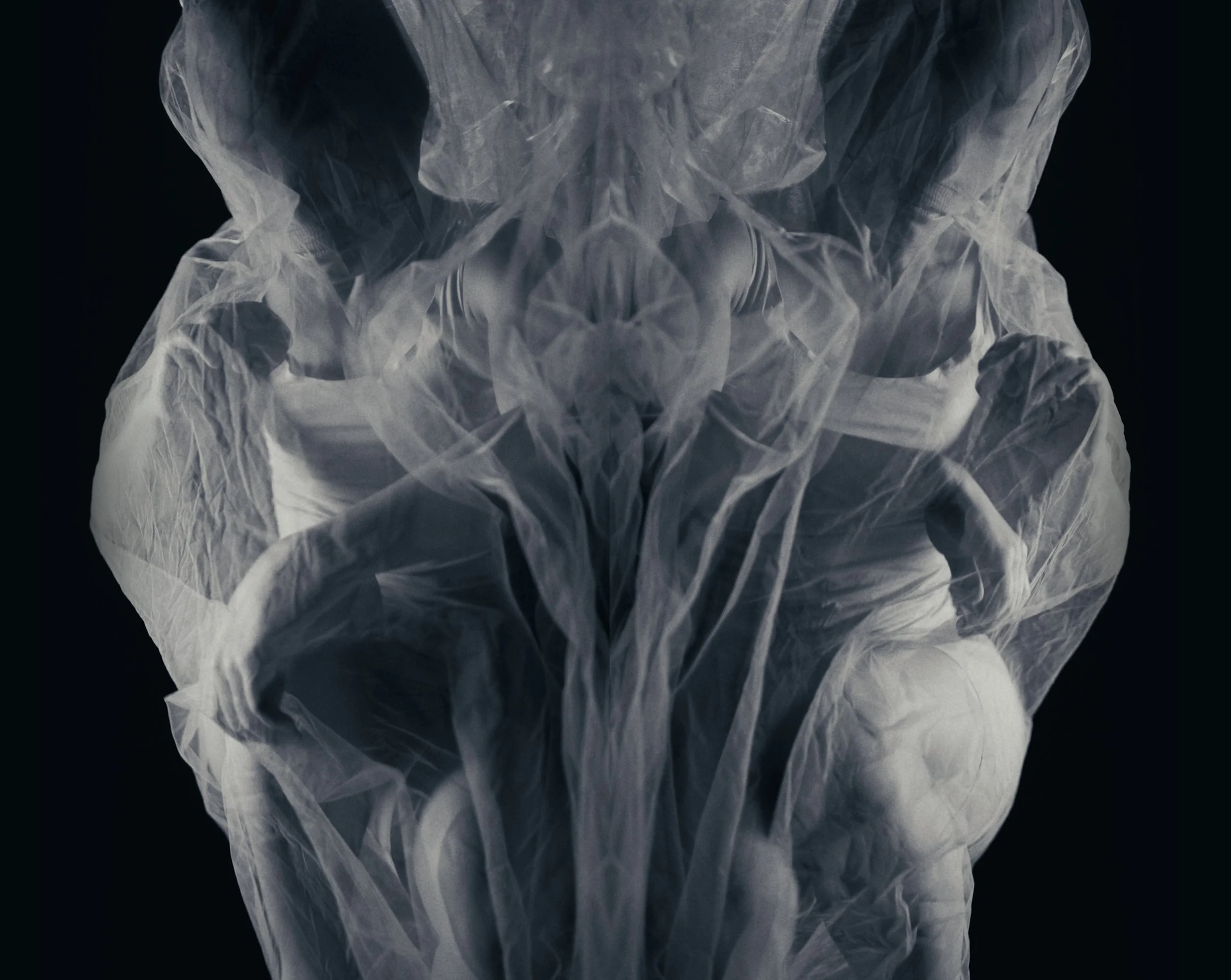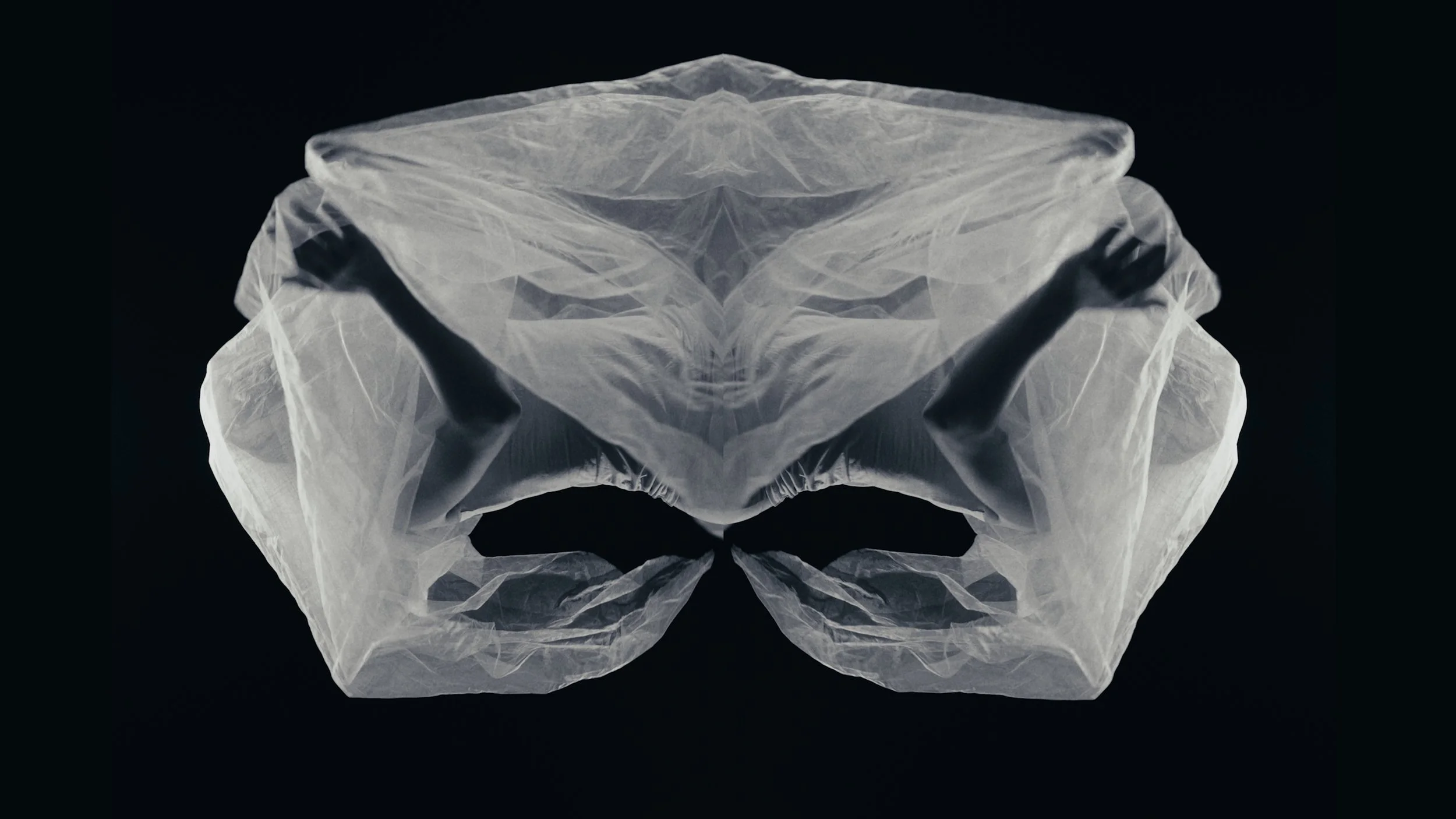
虫螻 Mushikera (2025)
This project emerges from research into the histories of silk production and iron mining in Gunma, industries that played a crucial role in the formation of modern industrial society.
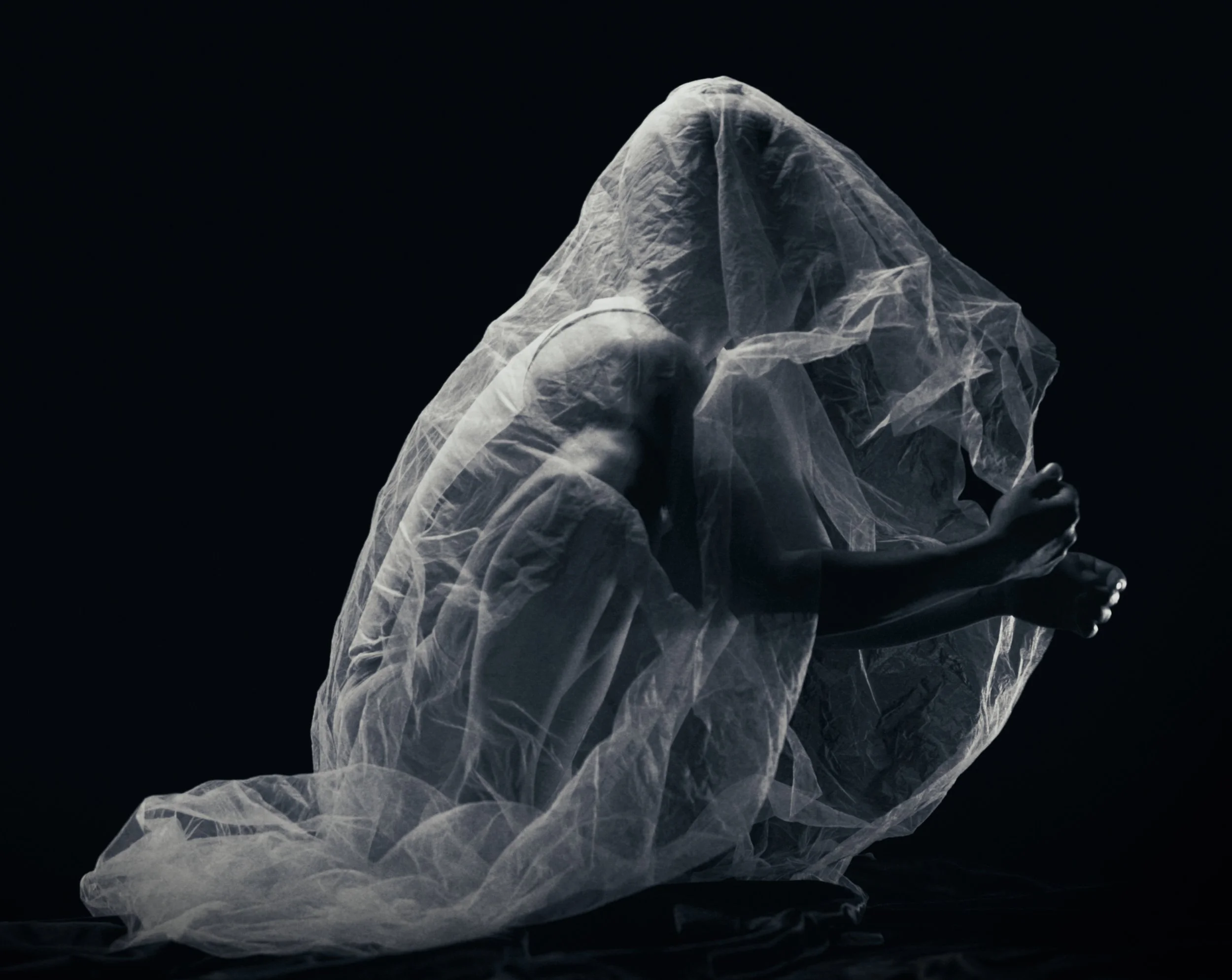
In Japanese, silkworms are written as 「天の虫」—insects of heaven—and have long been regarded as beings close to the divine. Yet this symbolic elevation masks a harsher reality. Through generations of selective breeding for luxury commodity production, silkworms have lost the ability to survive independently. Before reaching maturity, they are killed within their cocoons. What appears as reverence is inseparable from exploitation.
This condition resonates with human history. During Britain’s Industrial Revolution, the expansion of capitalist economies and the emergence of the working class were accompanied by severe human rights abuses. Workers endured long hours, low wages, and dangerous conditions; life expectancy was drastically reduced. Individuals were easily replaced, and once deemed unproductive, excluded from society. This logic of disposability is not confined to the past, but continues to structure contemporary life.
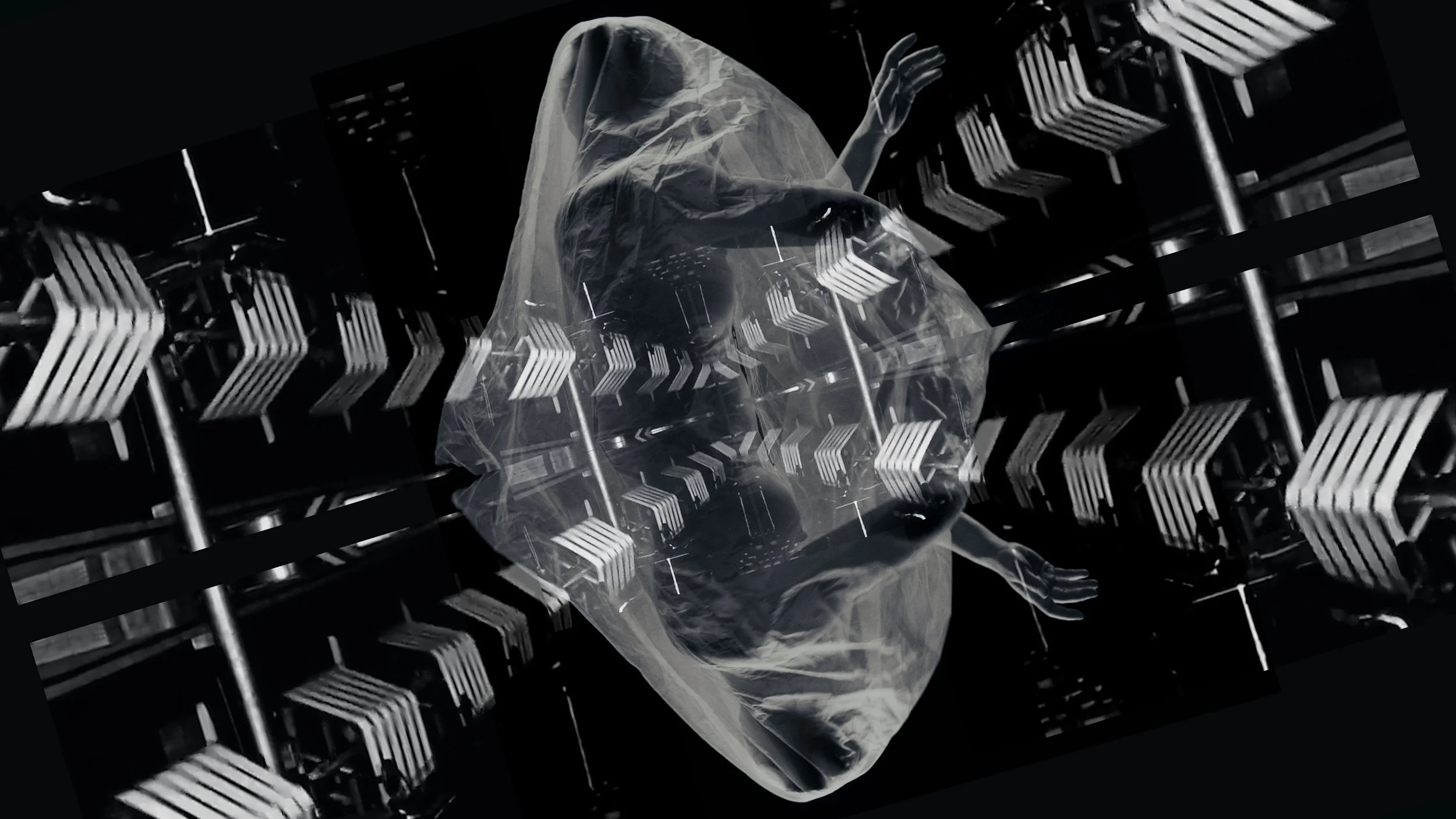
Confronted with this parallel, the work reflects on the position of the human body under systems of overwhelming power. The act of looking at small, expendable beings—and feeling pity—becomes a means of questioning one’s own value and agency. Within this framework, bodily expression is not a personal pastime but a form of resistance.
Rejecting the role of the expendable component or social cog, this work seeks to articulate intention, affirm life, and insist on a mode of living grounded in awareness, dignity, and care.
Bodies folded into machinery, gestures caught between thread and ore.
A dialogue of silk and smoke, of lives suspended mid-transformation.
The worm does not fly. The worker does not rest.
What remains is the hum — of industry, of memory, of something never fully lived.
Film, Edit&Sound: Guy Wigmore
Supported by Great Britain Sasakwa Foundation